


TL;DR: Manufacturing marketing campaigns succeed when they balance technical expertise with clear, human communication. The most effective campaigns build trust over long sales cycles by aligning content with buyer priorities, developing a distinct brand voice, answering real prospect questions through accessible formats like video, and using industry language strategically. The best examples show that strong manufacturing marketing focuses less on jargon and more on relevance, clarity, and relationship-building.
Introduction
Jargon. It’s pretty easy to get lost in it, right? And the manufacturing world is full of it, with plenty of examples that show exactly what happens when jargon wedges itself between you and your prospects.
And we’re not talking about the kind that helps you connect with your prospects and makes them feel like you’re a fly on the wall (how did they know that about me?). We’re talking about the phrasing that gets off track, not because it’s bad marketing but because it misses the mark between what your audience needs to hear and what you’re delivering.
As you work to create your next manufacturing marketing campaigns, we’ve pulled together a handful of examples that show how to win points with your audience, build trust, and be the first company they think of when they’re ready to move from a long sales cycle to active shopping.
What Makes Manufacturing Marketing Campaigns Different?
Before we dive into our favorite manufacturing marketing examples to inspire your campaigns in 2026, let’s take a quick step back to understand why manufacturing marketing is so darn tricky.
Unlike our friends in consumer-focused marketing, manufacturers usually target other businesses. According to the latest manufacturer marketing trends, that means longer sales cycles and a pretty high bar for building trust. After all, your prospects are often spending thousands of dollars rather than hundreds.
Here are a few considerations as you design your manufacturing marketing campaigns:
- The communication is super technical. You’re usually sharing technical information, and that means you have to walk a fine line between showing you know what you’re talking about and getting so technical that the content becomes unrelatable.
- You’re building trust over a long period of time. That’s why many marketers rely on marketing automation for manufacturing and lean into content marketing to nurture their prospects with email marketing, whitepapers, thought leadership blogs, and explainer videos (stay tuned for some good examples).
- You’re building relationships in person and through digital channels. Manufacturing marketers often balance more traditional channels, such as trade shows, with digital channels like social media and email marketing.
So while it’s true that you have plenty of options for spreading the word about what your company offers, it is always helpful to have some inspiration. That’s why we’ve curated a few of our favorite manufacturing marketing campaigns and examples with tips to get you started.
Example #1: Sell Your Whitepaper, Rather than Offering it
Whitepapers are still a powerful tool for building trust with prospective buyers. In fact, research shows that 76% of B2B decision-makers in 2025 still rely on whitepapers when making decisions.
The first step is writing an amazing whitepaper, and the second is selling it to your prospects. And that starts with the landing page.
We love Avery Dennison’s approach to its landing page. They anchor the whitepaper to trends in their market, making it as much about sustainability and purpose as the core issue at hand, which is packaging.
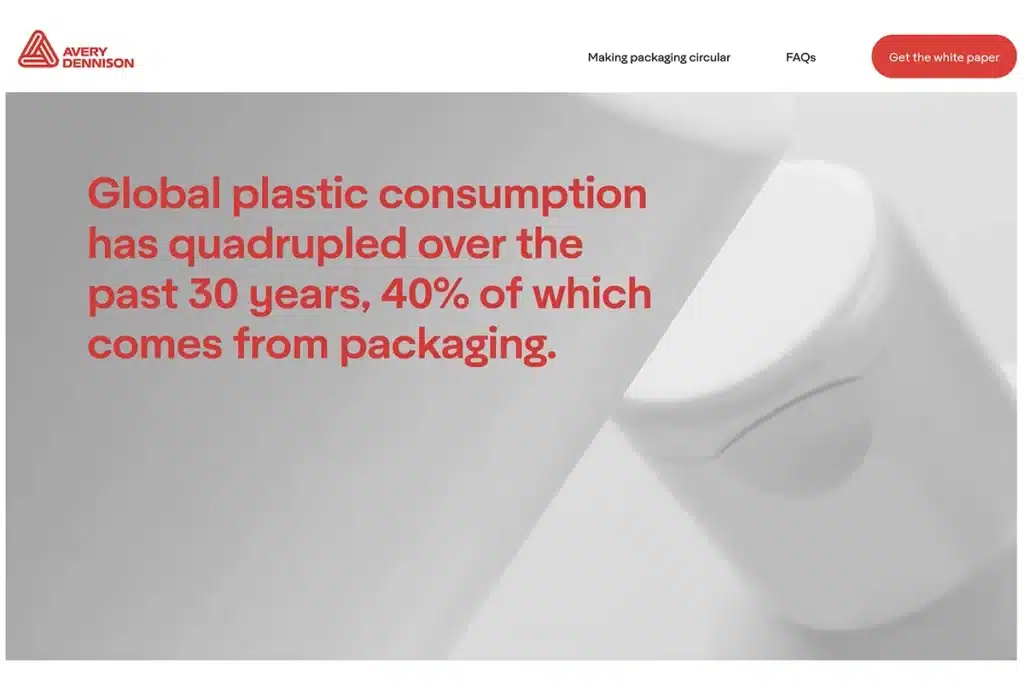
We suggest tapping into your audience research to make your landing page as impactful as possible. What do your buyers care about? Why are they making a purchase? We’re willing to guess Avery Dennison knows buyers care about sustainability, which is why they took that angle. And if you do something similar on your landing page, you’ll have a much easier time guiding prospects to the next important step in their journey, which is taking the leap to download.
Example #2: Create a Voice That Is You
Your audience doesn’t necessarily need more information. Getting their questions answered is easier than ever with a few quick keystrokes and an AI overview. So they aren’t necessarily looking for more knowledge; what they want is perspective.
For manufacturing marketing example, we love Kris-Tech’s blog. Their down-to-earth voice is a breath of fresh air compared to some of the stuffy voices that crowd the manufacturing space.
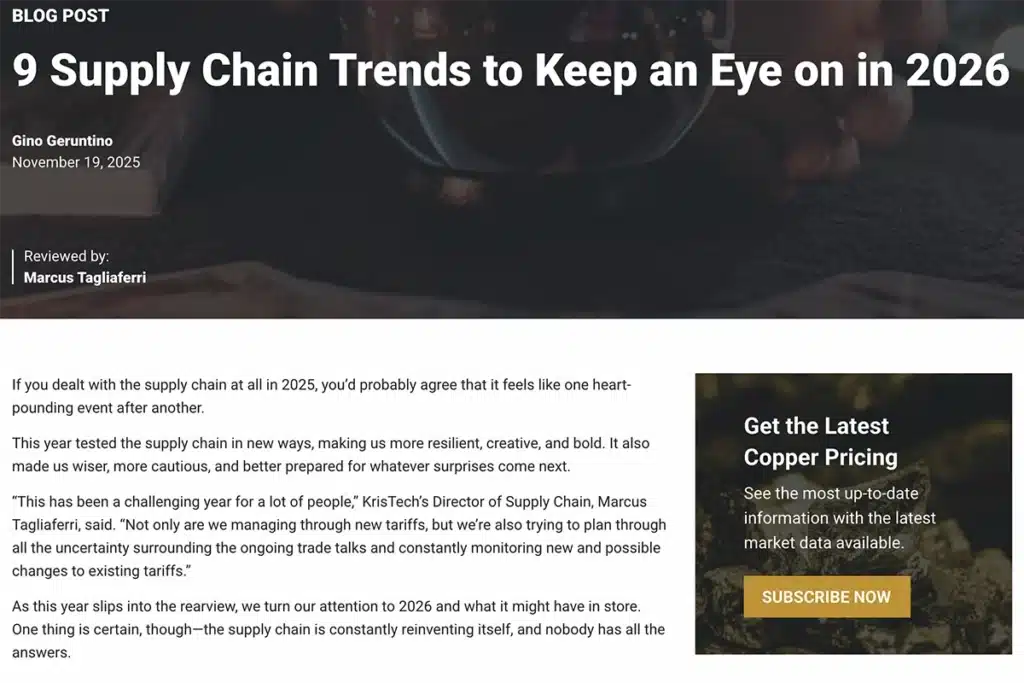
Sure, any brand could write “9 Supply Chain Trends to Keep an Eye on in 2026,” but what makes their content different is the perspective of internal experts and the brand’s voice. In this piece, for example, they didn’t say, “The events of 2024 were difficult.” Instead, they said, “…you’d probably agree that it feels like one heart-pounding event after another.”
As you deliver highly technical information to your audience, think about how you’d explain it to a real person. If you read it out loud, would they understand? Would their eyes glaze over from boredom? And if you want a few more ideas, check out this post where we share additional tips for developing a brand voice.
Example #3: Turn Prospect Questions into Bite-Sized Content
What types of questions are your prospects asking on sales calls? What are their most common objections? And why are you winning deals? Use the answers to these questions as fodder for new content, like explainer videos.
Hitachi is our next manufacturing marketing example. They use video to make very technical topics bite-sized and approachable, and most of their explainer videos run just a couple of minutes.
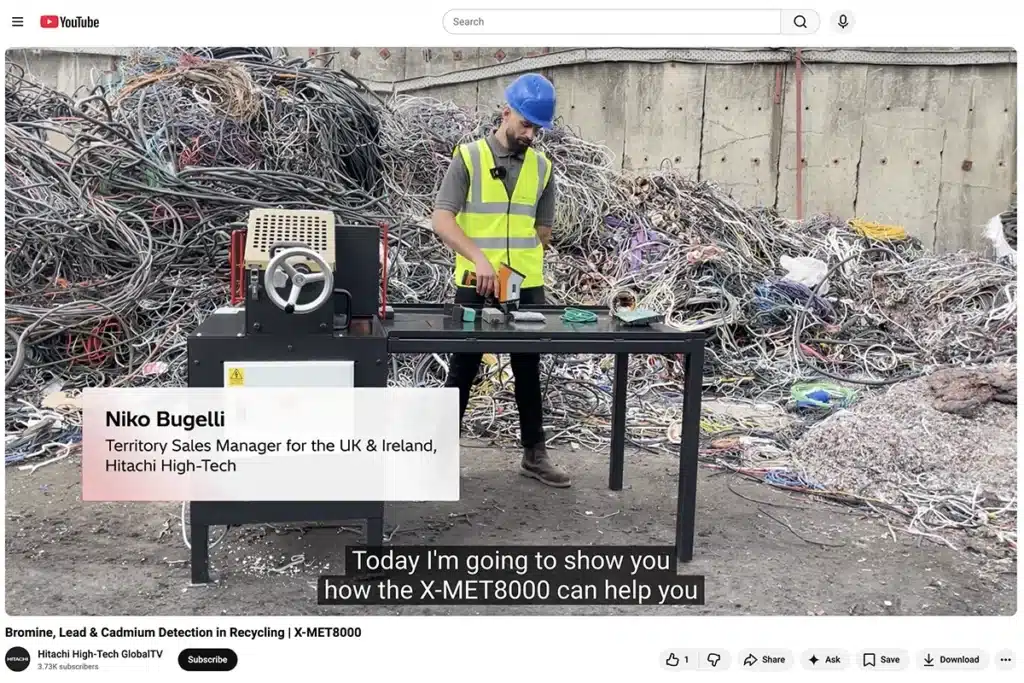
You can also embed these videos in related content to make it more engaging, including your blog posts, email sequences, and social media posts.
Example #4: Connect with your Blog Content
At the start of this post, we talked about jargon. And while you don’t want your content to be dripping with it, we do acknowledge that at times, it has its place. For example, during sales calls, you might notice that prospects describe their problems using specific phrasing that includes a bit of jargon. It’s probably safe to use some of that language in your manufacturing marketing campaigns and content.
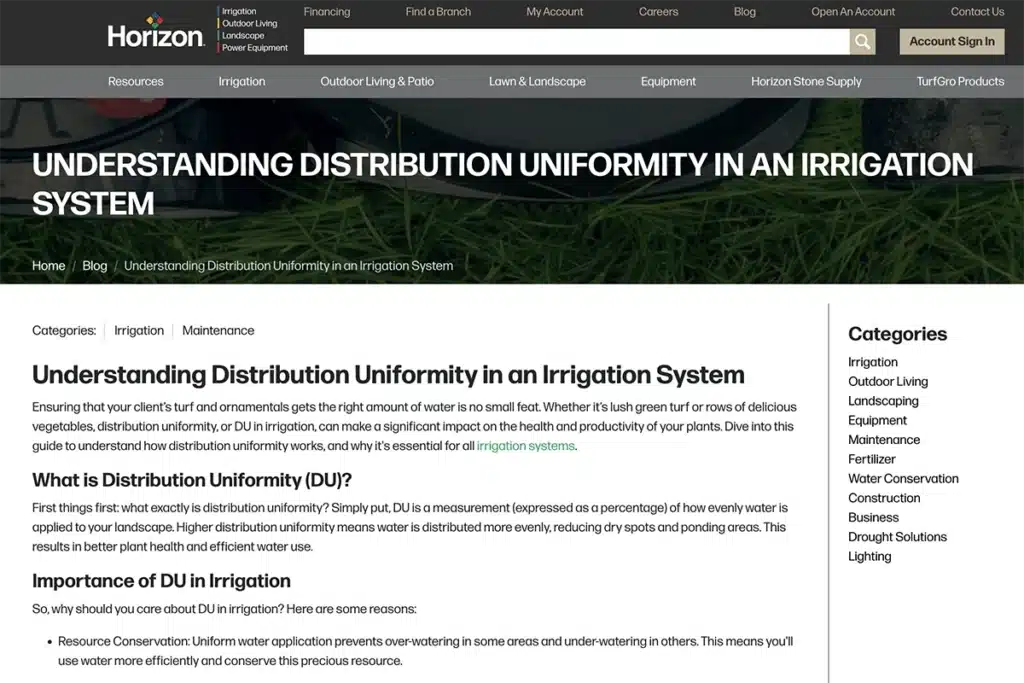
For example, Horizon Distributors creates very technical content. In this blog post, they’re likely explaining something their prospects are confused about and using a small bit of jargon, but only in the context of speaking their audience’s language.
So if you use jargon, make sure it helps you relate to your audience rather than slipping into “company speak” that creates a divide between you and your prospects.
Learn (or Steal!) from the Best
We subscribe to the belief that imitation is the sincerest form of flattery. The manufacturing companies killing it with their marketing campaigns are the ones worth emulating. They’ve figured out how to launch and maintain robust content marketing programs in a challenging industry. In the world of manufacturing, reaching the right audience requires you to showcase your expertise in a way that’s accessible, trustworthy, and consistent.
Using Automation to Improve Your Campaigns
We’re huge fans of marketing automation because it can support many of the strategies above. Our detailed Marketing Automation Strategy Guide breaks down exactly how it can help you connect with your customers, deliver value, and build deeper relationships that earn more business.
Summary
Manufacturing marketing campaigns require a unique approach due to long sales cycles, complex products, and highly informed buyers. The most successful campaigns focus on building trust and delivering value over time through content that speaks directly to audience needs.
From positioning whitepapers around industry trends to developing an authentic brand voice, creating bite-sized educational content, and using technical language thoughtfully, these examples demonstrate how manufacturers can connect with prospects more effectively. By combining strong messaging with consistent content and powerful marketing automation software, manufacturers can create campaigns that nurture relationships and move buyers confidently toward purchase decisions.